- Ultrasound Reprocessing Solutions
- Endoscope Reprocessing Solutions
- Introducing
- Products & Solutions
- Learning & Support
- Featured
- Nanosonics Academy
- About Us
- Investor Centre
- The Centre
You are currently on

The transfer of pathogens to a patient from a contaminated device, potentially leading to infection, is a risk of all endoscopic procedures.1 Flexible endoscopes have been associated with more outbreaks of infection than any other reusable medical or surgical device.1

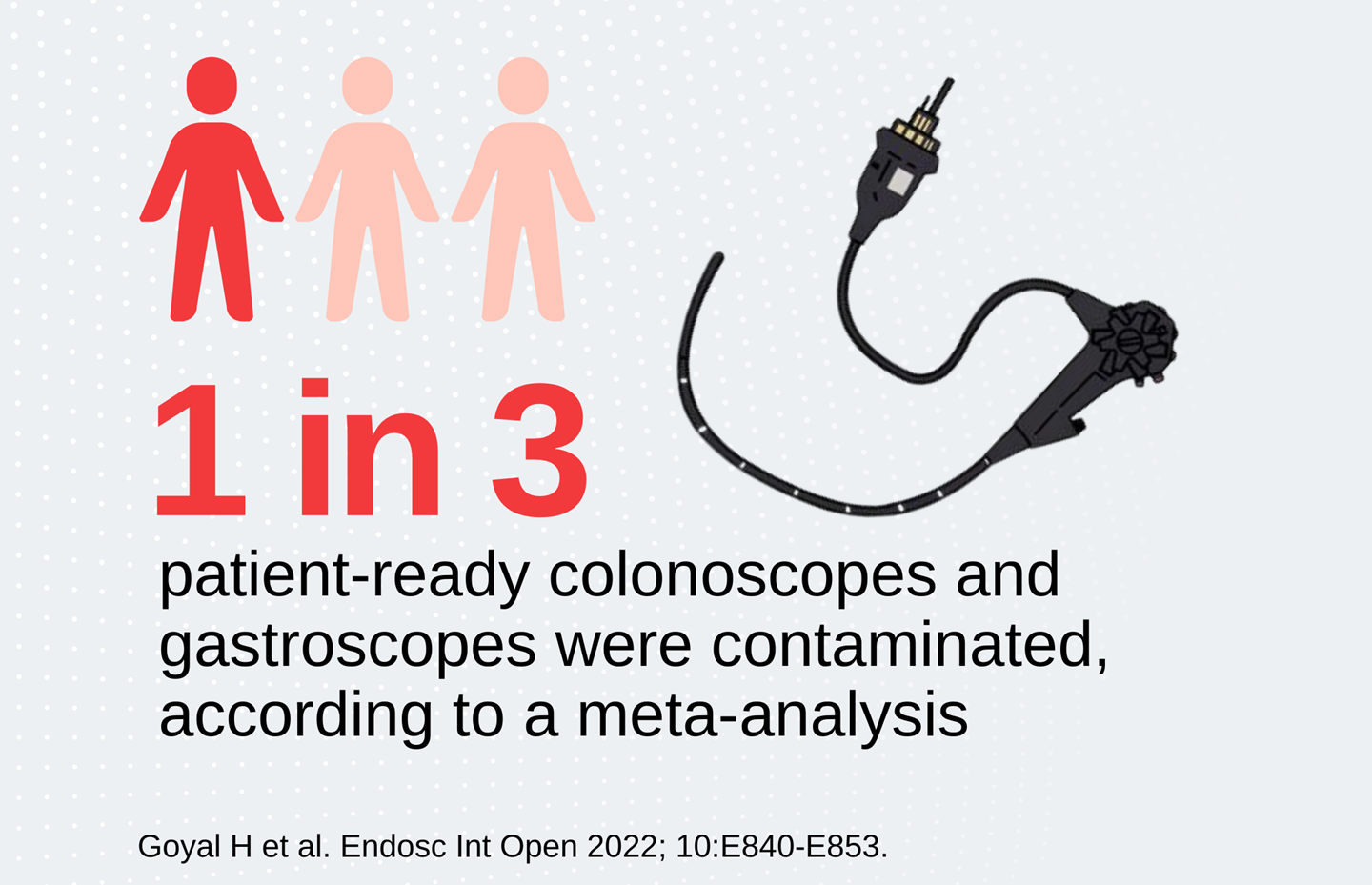
Compliance with reprocessing guidelines is crucial to lower the risk of contamination.1 However, multiple studies have reported that endoscopes can be contaminated with potentially pathogenic microbes even when cleaning and reprocessing guidelines are strictly followed2-4
Over 200 journal articles were published in the last decade involving contamination, cleaning failure, or infections associated with flexible endoscopes.
Incidents of contamination have been reported for all major endoscope types.

Over 200 journal articles were published in the last decade involving contamination, cleaning failure, or infections associated with flexible endoscopes.
Incidents of contamination have been reported for all major endoscope types.
Microbial contamination of flexible endoscopes used in endoscopic procedures have been linked to multiple outbreaks over many years and is a known risk associated with their use.
Kovaleva, J. et al.
Transmission of Infection by Flexible Gastrointestinal Endoscopy and Bronchoscopy. Clinical Microbiology Reviews 2013; 26(2):231–254
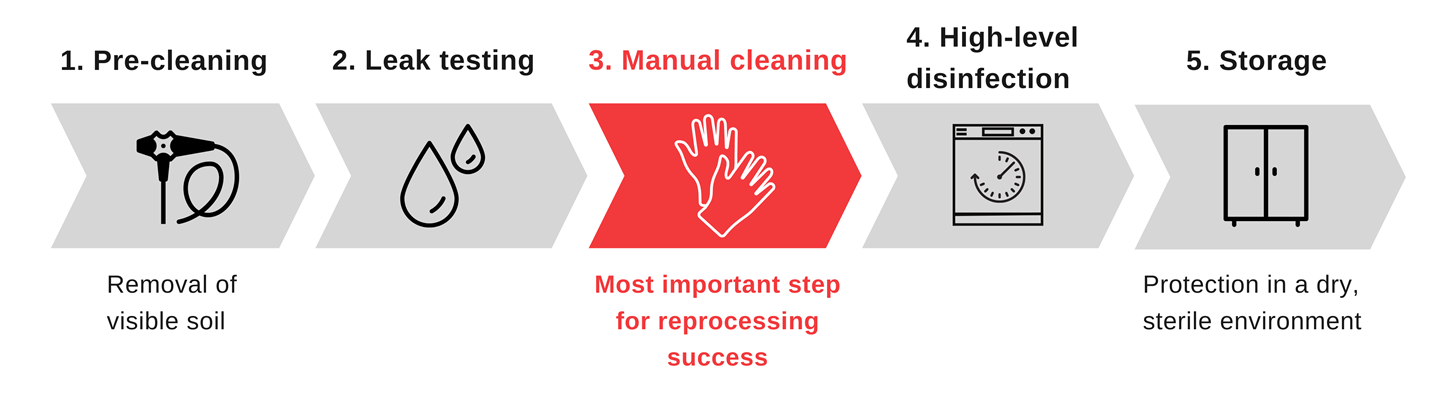
Endoscope reprocessing is a highly complicated process that can include dozens of individual steps.
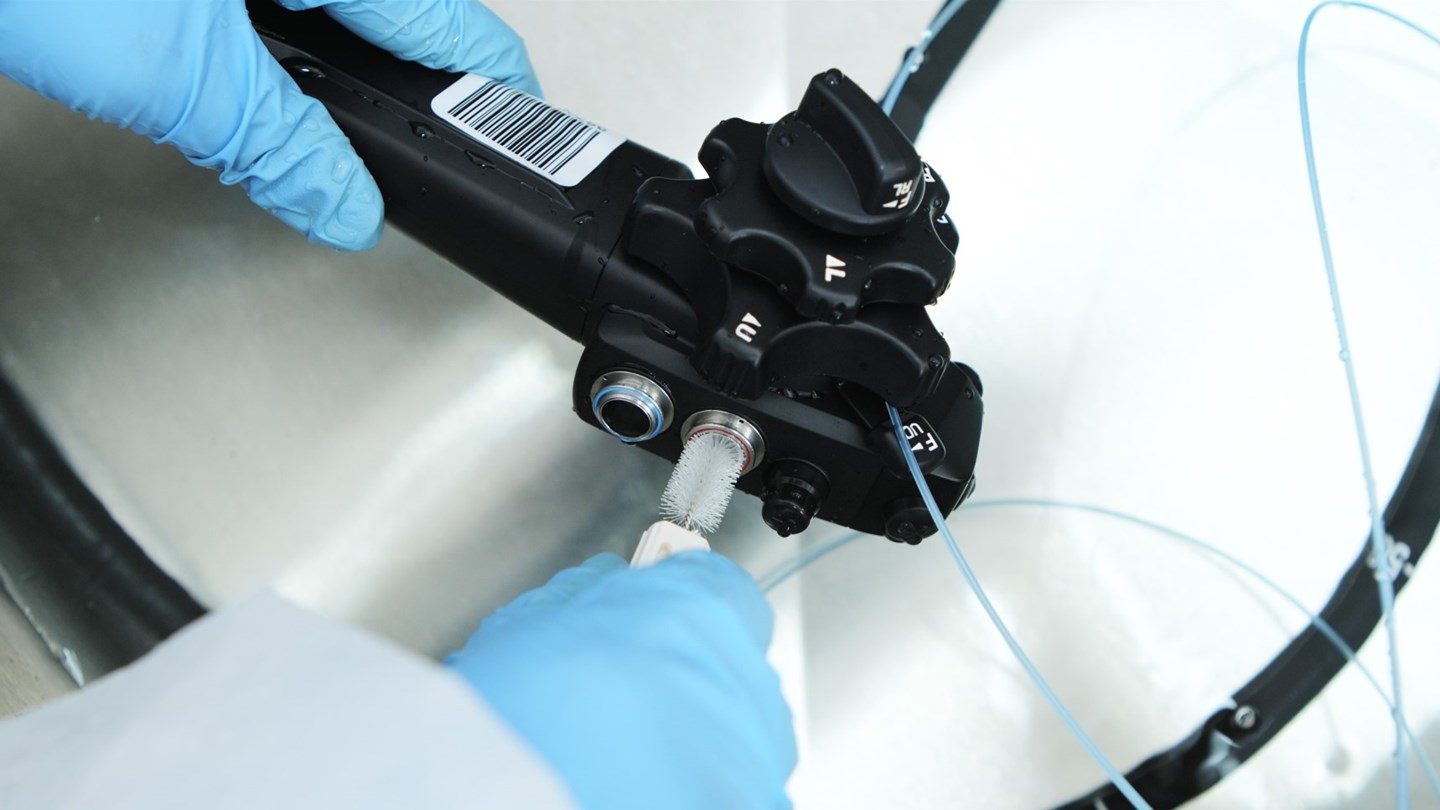
Of these steps, the manual brushing and flushing of endoscope channels is recognized as the most critical for successful reprocessing.6

The most important step in the process of endoscope decontamination is scrupulous manual or mechanised cleaning before disinfection.
Infection Prevention and Control in Endoscopy, Gastroenterology Nurses College of Australia (GENCA)
Manual cleaning is today’s gold standard, but has key problems that need to be addressed. Failure of reprocessing just due to inadequate manual cleaning is well documented.3
In a prospective observational study, 92% of endoscopes had protein or ATP levels that exceeded benchmarks after manual cleaning, indicating contamination. This was despite adherence to the site’s cleaning protocols and reprocessing guidelines.7